

Consumers and government agencies' heightened attention to food safety and quality has led to a spike in interest in diagnostic solutions for the food industry. A variety of items, such as systems, test kits, and consumables, all contribute considerably to the growth of this industry. One reason for this expansion is the rising priority placed on the timely and precise identification of food-borne allergies, pollutants, pathogens, and adulterants. The expansion of international food trade is one of the main forces propelling the diagnostics market. The necessity for reliable diagnostic systems has skyrocketed as the food supply chain has become increasingly global. In order to sell their wares internationally, manufacturers and distributors of food must adhere to a wide range of quality and safety criteria. As a result, sophisticated diagnostic instruments are being used more frequently to check that finished goods are up to par with increasingly demanding standards as the market expands.
The term "diagnostics" refers to the practice of tracing the origins of a phenomenon and learning more about its nature. Food testing is also known as food diagnostics. Some food-borne illnesses can be avoided with the help of diagnostic testing. Food diagnostics allow for the identification of microbial and other contaminations in fresh produce.Consumer health can be better safeguarded and healthcare expenditures can be reduced with the use of food diagnostics. Diagnosing foods is commonly referred to as "food diagnostics." Food diagnostics are essential for keeping people healthy and safe from food-related illnesses. Fruits and vegetables can be tested for microbial and other toxins using food diagnostics.Increased demand for safety testing is anticipated in response to the growing number of food recalls and the attendant need to reassure worried shoppers about product quality and availability. All affected nations have made food safety a top priority since the advent of the coronavirus to ensure that no food is tainted.
Concerns about food safety and consumer health have contributed to an increase in food recalls, which in turn has fueled growth in the food diagnostics sector. The release into the market of dangerous or contaminated food goods can have devastating results, including disease, hospitalization, and even death. Both government agencies and food producers have increased their investments in cutting-edge diagnostic technologies as a result of the public's heightened awareness of food safety issues. There is less chance that people will eat tainted food because to these technologies that can detect pollutants, infections, allergies, and adulterants quickly and accurately. Companies have been motivated to adopt innovative diagnostic technologies to reduce the likelihood of food recalls by the financial and reputational penalties involved with such incidents, driving the expansion of the food diagnostics sector.
In many parts of the world, especially in poor nations, effective food diagnostics are hampered by a lack of suitable infrastructure, such as well-equipped laboratories and competent workers. The danger of foodborne disease and outbreaks is increased by the lack of access to modern testing equipment, diagnostic kits, and a dependable cold chain for sample transportation. Surveillance and monitoring of foodborne pathogens are hampered by inefficient data collecting and administration systems. Investment in infrastructure, capacity building, and technology transfer is crucial to overcoming these obstacles and bringing the benefits of cutting-edge food diagnostics to areas with limited resources, protecting the health of the people and the world's food supply.
There will be a greater need for new, improved, user-friendly, and cost-effective diagnostic kits and assays to enable effective food sample monitoring in response to rising consumer concerns about the safety of the food they buy. As a result, there will be several chances for promotion.
PCR tests and other antigen-based diagnostics are examples of fast technologies and culture-independent diagnostic procedures that are gaining popularity. The Food and Drug Administration, the Centers for Disease Control and Prevention, and the United States Department of Agriculture are all using cutting-edge tools like whole-genome sequencing to investigate the origins of food-borne illnesses. Traditional techniques of testing have been replaced by automated and cutting-edge technologies. The market for food diagnostics is expected to grow as a consequence of the increasing number of strategic partnerships being formed by major players in the industry.
Report Coverage
Global Food Diagnostics research report categorizes the market for global based on various segments and regions, forecasts revenue growth, and analyzes trends in each submarket. Global Food Diagnostics report analyses the key growth drivers, opportunities, and challenges influencing the global market. Recent market developments and Food Diagnostics competitive strategies such as expansion, product launch and development, partnership, merger, and acquisition have been included to draw the competitive landscape in the market. The report strategically identifies and profiles the key Food Diagnostics market players and analyses their core competencies in each global market sub-segments.
| REPORT ATTRIBUTES | DETAILS |
|---|---|
| Study Period | 2017-2030 |
| Base Year | 2022 |
| Forecast Period | 2022-2030 |
| Historical Period | 2017-2021 |
| Unit | Value (USD Billion) |
| Key Companies Profiled | SGS SA, Randox Food Diagnostics, 3M, Shimadzu Corporation, Thermo Fisher Scientific Inc., PerkinElmer Inc., Agilent Technologies, Inc., NEOGEN Corporation, FOSS India Pvt. Ltd., ROKA BIO SCIENCE, Invisible Sentinel, Clear Labs, Inc., ALS Limited, Ring Biotechnology Co Ltd., Life Technologies, BIOMÉRIEUX SA, Noack Group, Intertek Group plc, Omega Diagnostics Group PLC, Eurofins Scientific, among others. |
| Segments Covered | • By Product |
| Customization Scope | Free report customization (equivalent to up to 3 analyst working days) with purchase. Addition or alteration to country, regional & segment scope |
Key Points Covered in the Report
- Market Revenue of Food Diagnostics Market from 2021 to 2030.
- Market Forecast for Food Diagnostics Market from 2021 to 2030.
- Regional Market Share and Revenue from 2021 to 2030.
- Country Market share within region from 2021 to 2030.
- Key Type and Application Revenue and forecast.
- Company Market Share Analysis, Food Diagnostics competitive scenario, ranking, and detailed company
profiles. - Market driver, restraints, and detailed COVID-19 impact on Food Diagnostics
Market
Competitive Environment:
The research provides an accurate study of the major organisations and companies operating in the global Food Diagnostics market, along with a comparative evaluation based on their product portfolios, corporate summaries, geographic reach, business plans, Food Diagnostics market shares in specific segments, and SWOT analyses. A detailed analysis of the firms' recent news and developments, such as product development, inventions, joint ventures, partnerships, mergers and acquisitions, strategic alliances, and other activities, is also included in the study. This makes it possible to assess the level of market competition as a whole.
List of Major Market Participants
SGS SA, Randox Food Diagnostics, 3M, Shimadzu Corporation, Thermo Fisher Scientific Inc., PerkinElmer Inc., Agilent Technologies, Inc., NEOGEN Corporation, FOSS India Pvt. Ltd., ROKA BIO SCIENCE, Invisible Sentinel, Clear Labs, Inc., ALS Limited, Ring Biotechnology Co Ltd., Life Technologies, BIOMÉRIEUX SA, Noack Group, Intertek Group plc, Omega Diagnostics Group PLC, Eurofins Scientific, among others.
Primary Target Market
- Market Players of Food Diagnostics
- Investors
- End-users
- Government Authorities
- Consulting And Research Firm
- Venture capitalists
- Third-party knowledge providers
- Value-Added Resellers (VARs)
Market Segment:
This study forecasts global, regional, and country revenue from 2019 to 2030. INFINITIVE DATA EXPERT has segmented the global Food Diagnostics market based on the below-mentioned segments:
Global Food Diagnostics Market, By Type
Systems
Test Kits
Consumables
Global Food Diagnostics market, By Food Tested
Meat
Bakery
Dairy
Processed Foods
Cereals And Grains
Fruits And Vegetables
Global Food Diagnostics Market, By Test Type
Safety
Quality
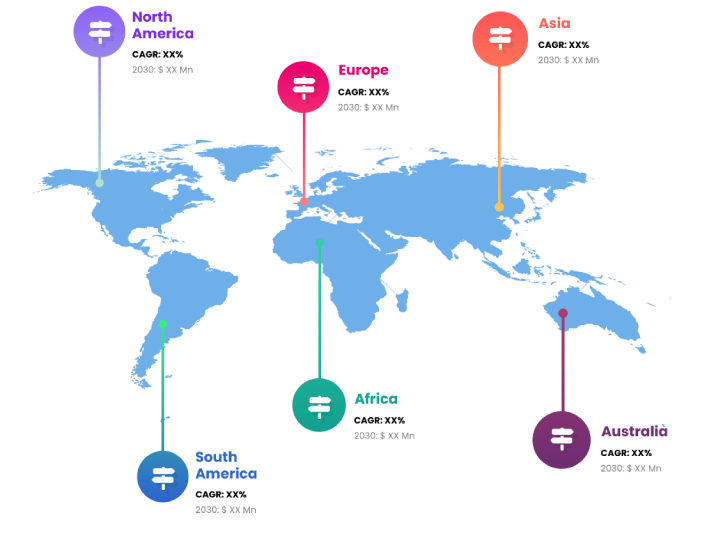
Global Food Diagnostics market, Regional Analysis
- Europe: Germany, Uk, France, Italy, Spain, Russia, Rest of Europe
- The Asia Pacific: China,Japan,India,South Korea,Australia,Rest of Asia Pacific
- South America: Brazil, Argentina, Rest of South America
- Middle East & Africa: UAE, Saudi Arabia, Qatar, South Africa, Rest of Middle East & Africa
You will get in-depth and extensive food diagnostics market market research and competitor analysis for your business to help you develop more profound insights into the food diagnostics market Market.
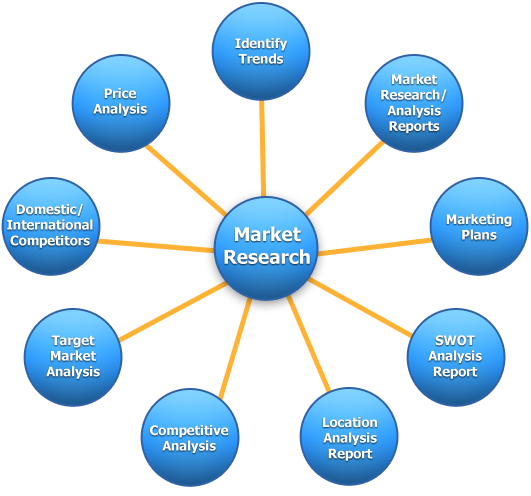
Through INFINITIVE Data Expert is a professional Market Research services, I will identify the food diagnostics market market size, demand & opportunities, growth rate, and target audience with a comprehensive analysis of your competitors.